
Guide to Choose a Professional Nail Lamp for Multi-Station Salons
Tutorial
For a salon group with three or more locations, choosing a nail lamp is part of planning a consistent service setup. Regional equipment wholesalers face a related task when recommending a configuration across different salon accounts. The equipment needs to fit the way technicians work, the gel products used across appointments, and the practical conditions at each location. A lamp that works well at one desk may not suit every branch or station, especially when space, power access or daily usage differs.
Before comparing product features, establish what the salon needs its lamps to support. That gives owners and procurement teams a clear starting point for choosing a setup that works across the business. Start by comparing the Elesecret nail lamp with each branch's needs.
Define Store Count, Workstations, and Gel Systems in Use
Begin with a branch-by-branch inventory. Record the number of locations, active manicure stations at each site, and the number of lamps likely to be in use at the same time during the busiest service period. Peak overlap matters more than the total number of tables: a group may have many stations but staggered appointments, while a smaller branch may run most lamps simultaneously. Note which stations provide full manicure services and which are used mainly for focused or finishing work.
Next, list the gel brands and product systems used across the group. Include each brand’s lamp guidance, curing instructions, and any product-specific requirements supplied by the gel maker. Mark branches that use different gel lines or have different existing equipment. This prevents the purchasing team from assuming one lamp setup will suit every location without checking the instructions for the products in use. For a concise overview of lamp technology, see our guide to LED lamp systems for nail professionals before checking each gel maker’s own instructions.
Turn the inventory into a short procurement brief: number of active stations, expected simultaneous use, gel systems, current equipment to replace, and any branch-specific exceptions. Use it to compare candidate models against real service needs, then carry the same criteria into sample testing and quotations.
For a regional wholesaler, record the expected station count and gel range for each customer segment rather than assuming every account follows the same setup as a three-store chain.
Set Must-Have Requirements and Optional Features for Candidate Lamps
Separate pass-or-fail requirements from conveniences before shortlisting models. Must-haves should reflect the gel systems in use, the available workstation space, the required power arrangement, and the controls technicians need to follow the gel maker’s curing directions. Ask for model-specific evidence where a specification affects compatibility or daily operation. A feature should not move a lamp onto the shortlist unless it solves a defined need.
|
Must-have checks |
Optional features to assess |
|
Follow Gel-brand instructions for the specific lamp model. |
Sensor activation, if hands-free operation fits the service routine. |
|
The lamp fits the station and supports the way clients place their hands. |
Cordless use, if cable routing or moving the unit is a real constraint. |
|
Power, controls, and cleaning instructions suit the branch’s daily workflow. |
Display, extra timer choices or other controls, when staff will use them. |
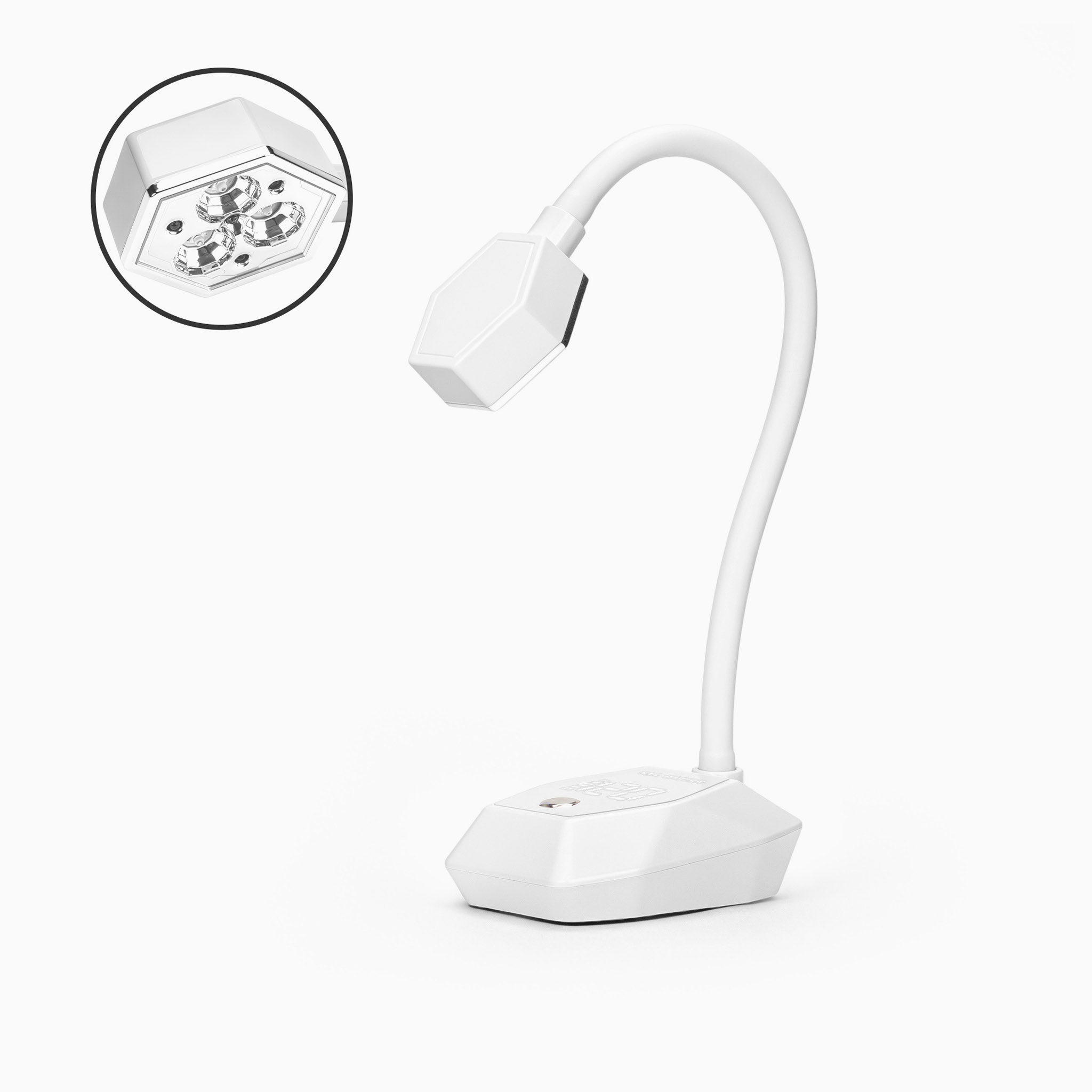
For example, the ES-610 flash-cure lamp listing specifies 30- and 60-second timer settings and a sensor switch. Those are model-specific details, not a default requirement for every main workstation lamp. Decide whether similar options fit the salon’s service sequence, then compare only models that meet the essential requirements.
Compare Hand Space, Operating Method, Base Plate, and Workstation Fit
A lamp must work comfortably with the station, the technician’s approach, and the client’s hand position. Check the opening width and height, usable interior space, thumb and finger access, and whether clients can place their hands naturally without contacting the sides. Review the control location and display visibility from the seated working position. If technicians routinely shift the lamp during services, check where the cable exits and whether it can be routed without crossing the client’s or technician’s working area.
Inspect the base plate as a separate part of the fit check. Confirm whether it is fixed or removable, how it sits on the salon table, and whether the cleaning procedure is practical for the team. Request the lamp’s external dimensions and usable hand-opening measurements as separate items. Carton or packing dimensions do not describe the space the lamp occupies at a workstation.
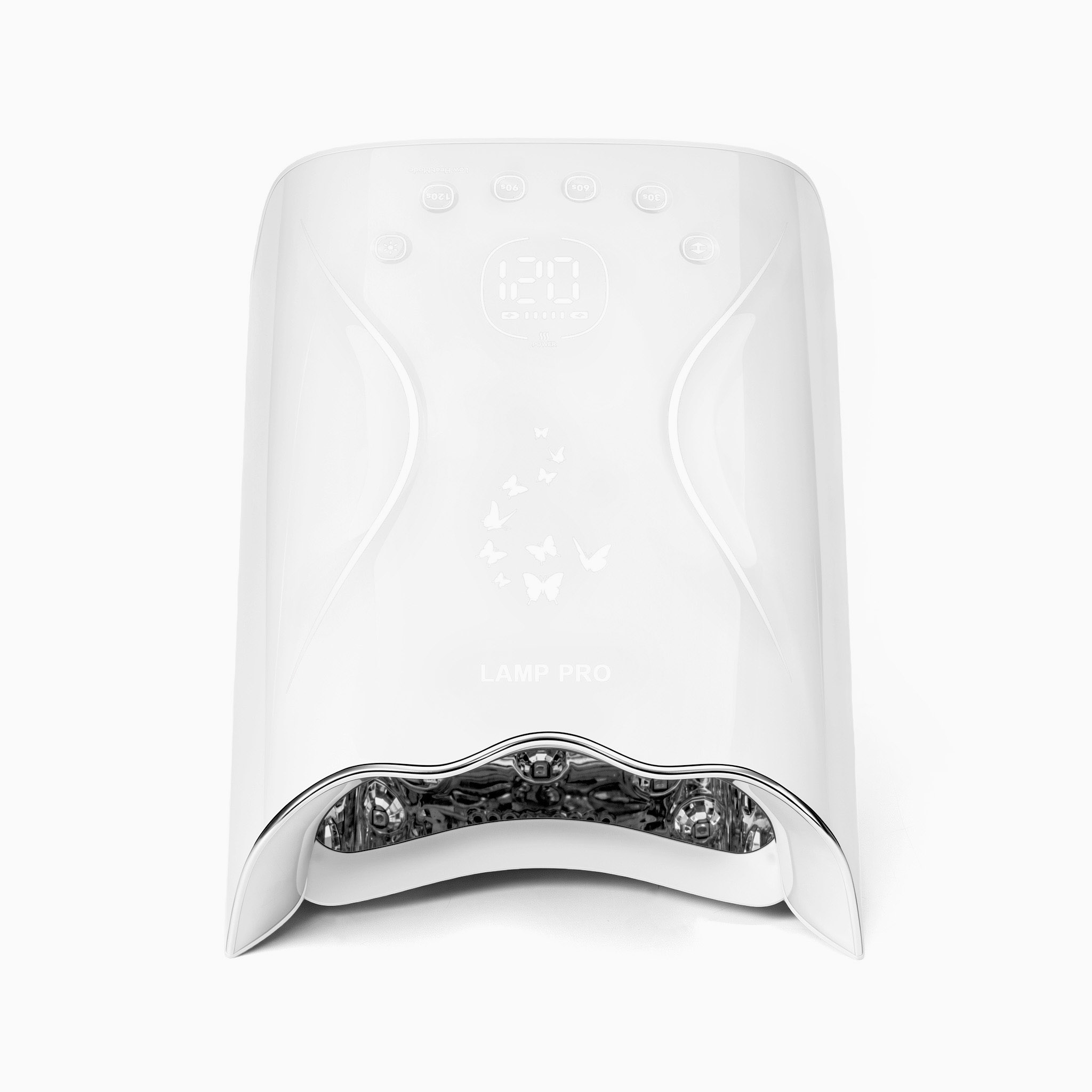
The ES-606 Nail Lamp shows a full-size UV/LED lamp with responsive touch controls. Use a physical sample, not a product image alone, to check how its opening, controls, and base interact with the salon’s actual table layout.
Plan for Continuous Service, Charging, and Backup Units
For each branch, map the expected service pattern across a full working day: peak appointments, likely periods of simultaneous lamp use, breaks between services, and access to outlets. A cordless model may simplify a station with limited cable access, while a corded setup may avoid charging handoffs. Whichever arrangement is considered, confirm how many units can be used or charged at the same time and whether chargers and outlets are positioned safely for the team.
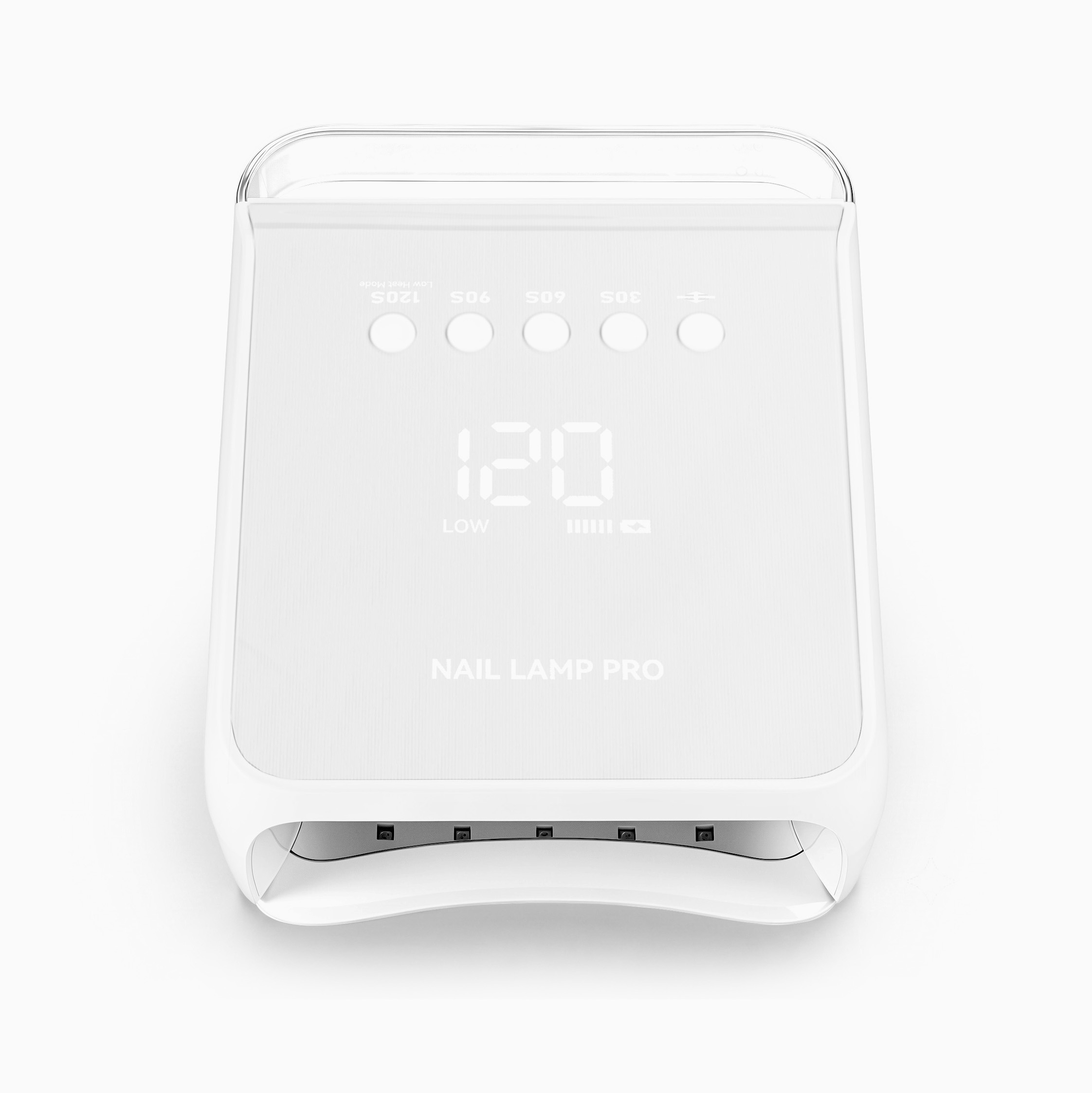
As a model-specific reference, the ES-E607 lamp states a 5200mAh battery, four hours of battery life, and a two-hour charging time. Treat these as listed specifications, then ask for the test conditions and assess runtime in the salon’s actual service pattern. Battery-life figures alone don't show how many appointments a branch can complete between charges.
Set the backup quantity from operational risk rather than using an unsupported universal ratio. Consider how quickly you can replace a failed unit, whether branches can share a spare, and how many stations will be affected while a lamp is out of service. A regional wholesaler can also plan stock by model and compatible charger, keeping replenishment aligned with the lamp configuration selected for its salon customers.
Compare Maintenance, Spare Parts, Warranty, and Total Purchasing Cost
Compare the full ownership plan, not only the quoted unit price. Ask for cleaning and care instructions, which parts can be serviced or replaced, ordering details for spare components, warranty coverage, and the fault-reporting process. Confirm whether coverage differs by model or destination market, and keep the answers with the quotation. Evaluate a longer warranty alongside its exclusions and the practical route for obtaining service.
If a regional wholesaler or salon group is considering branded or customized equipment, include those requirements in the quote comparison as a separate line item. Elesecret’s OEM/ODM information describes customization and project steps; confirm the available options, order quantities, and commercial terms for the specific lamp configuration before including them in a rollout budget.
Build the purchase estimate from the expected quantity and branch rollout. Include sample costs, shipping, required chargers or accessories, planned spare inventory, and the labor involved in maintaining the units. For rechargeable models, include the charging arrangement and ask what replacement options exist for the battery and charger. Avoid calculating a payback period unless both the cost inputs and the usage assumptions are documented.
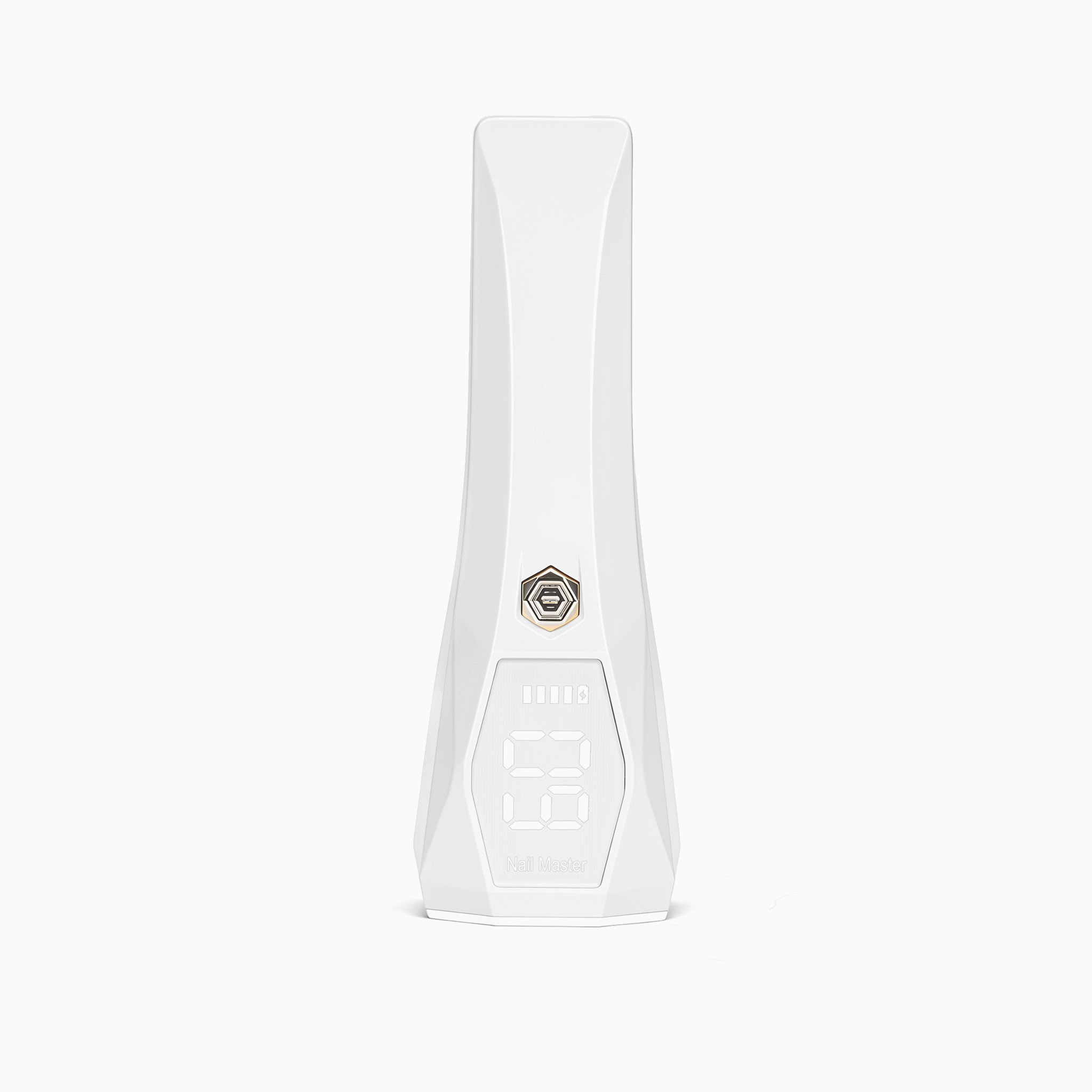
If a supplementary flash-cure tool has a distinct role at selected stations, keep its costs separate from the main lamp allowance. The ES-602 portable flash-cure model is listed at 9W; compare it with equipment intended for the same task, not as a like-for-like price substitute for the primary lamp.
Use a Standard RFQ to Test Samples and Plan Bulk Orders
Send every candidate supplier the same request so that specifications, service terms and samples can be compared fairly. Name the exact model and configuration, state the number of branches and stations, and describe the gel systems and daily service pattern. Ask suppliers to answer against the same checklist rather than returning general catalog information.
|
RFQ item |
Information to request |
|
Model and configuration |
Exact model, included accessories, controls, external size, and usable hand-opening dimensions. |
|
Curing and power |
Stated light specifications, timer settings, power supply, plug type, battery capacity and charging time if applicable. |
|
Compatibility evidence |
Gel-product-specific guidance, test method, curing conditions and supporting reports. |
|
Sample evaluation |
Sample availability, price, timing and a written process for handling sample-to-order changes. |
|
Service and supply |
Warranty terms, spare-parts list, MOQ, production lead time, shipping terms and reorder availability. |
Evaluate samples using one shared score sheet at representative stations. Have more than one technician check hand position, controls, cleaning access, and cable or charging arrangements. Test curing only with the gel brand’s directions and record the product, settings, and procedure used. Once the group selects a configuration, approve the sample as the reference for the bulk order and request written confirmation of model, accessories, packaging and warranty terms.
For a configuration discussion or quotation, send Elesecret the branch count, active station count, gel systems, power arrangement and sample requirements through the Contact page. These details help keep the conversation focused on the salon group’s actual rollout.