
Cordless vs Plug-In Nail Lamps: Runtime, Charging, and Salon Workflow
Tutorial
Choosing between cordless and plug-in nail lamps affects more than where you can place a station. Salon groups need predictable shifts and minimal interruptions, mobile technicians need equipment that travels easily, and distributors need clear product specifications. The practical choice depends on outlet access, daily lamp use, recharge time, and the plan for keeping services moving when a unit needs power.
Compare the Lamp to the Work Setting
Start with the service location and the work pattern. A cordless lamp can be positioned without a live cable reaching the station during use, while a plug-in setup draws power from a nearby outlet throughout operation. Each arrangement has a different workflow cost: cordless service needs a charging plan, and a fixed powered station needs safe, convenient cable routing and accessible sockets.
|
Work setting |
Cordless setup |
Plug-in setup |
Decision point |
|
Fixed salon station |
Flexible placement; plan recharge periods. |
Continuous access to mains power; manage cable routes. |
Outlet position, station layout and daily utilization. |
|
Mobile appointments |
Useful where outlet access is uncertain or the station moves. |
Depends on a suitable outlet at each service location. |
Expected lamp-on time and a safe opportunity to charge. |
|
Multi-station salon |
Can reduce reliance on an outlet at every active station. |
Keeps each connected unit powered during use. |
Number of devices, shared circuits and backup coverage. |
These are workflow distinctions, not performance rankings. A salon with stable station layouts may prefer the simplicity of fixed power, while a technician who changes locations may value cordless placement. When building a shortlist, review the available models in the Elesecret Nail Lamp range, then compare each model against how you'll use it.
Read Battery Capacity, a Curing Cycle, and Service Runtime Separately
Capacity Is Not a Session Count
Battery capacity, often stated in milliamp-hours (mAh), describes stored charge. It doesn't tell a salon how many appointments a lamp can support. The lamp's power draw, operating mode, exposure cycles, and idle time all affect the time between charges. A single curing cycle is one timed lamp operation; service runtime is the usable operating time across repeated cycles and work interruptions.
The ES-606 model listing specifies a 5200mAh rechargeable battery, a 4-hour battery-life figure, and a 2-hour charging time. The page also lists 115W and a one-year warranty. Those are model-specific published values; the page does not state the test conditions behind the battery-life figure. Treat it as a reference for supplier discussion, then measure runtime using the settings and work pattern your team expects.
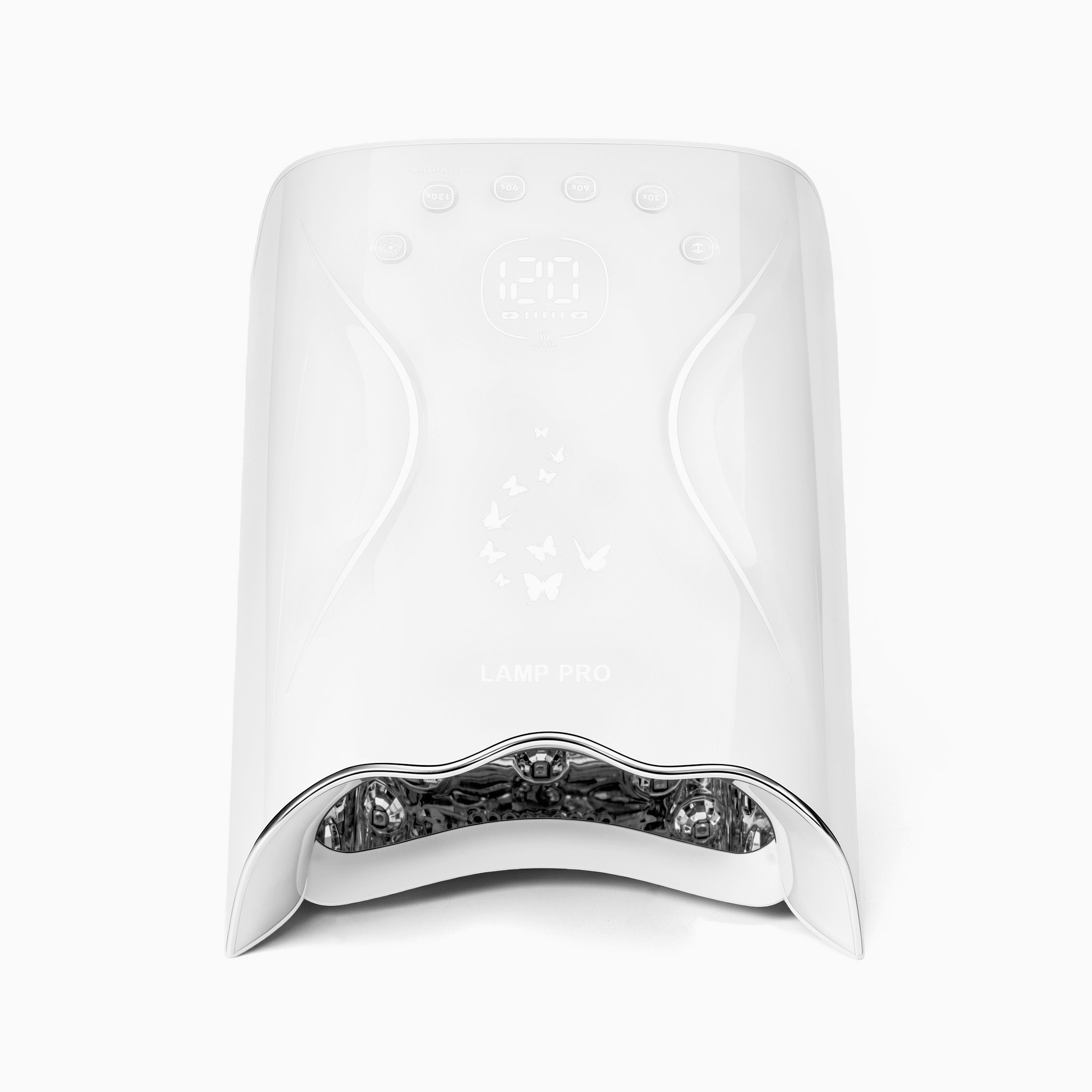
For planning, count actual lamp-on minutes over a representative shift rather than translating a battery-hour figure directly into client appointments. Record the selected timer, how often the lamp is activated, and any low-battery warning or recharge pause. That creates a useful operating profile for comparing quotations and deciding whether cordless power will cover a full shift or only selected services.
Plan Charging Windows, Backup Units, and Service Continuity
Charging has to fit around the schedule. Map the start and end of each shift, likely quiet periods, and the point at which the battery can be replenished. In a mobile workflow, include the travel day and the charging location in that plan. For a salon, assign responsibility for returning a cordless unit to its charging point so the next appointment doesn't start with an uncharged device.
A backup plan can be a second charged unit, a powered station that remains available, or a service rotation that leaves time for charging. Choose the arrangement based on observed peak demand rather than guessing a fixed number of spares. The E607 rechargeable lamp listing gives another model-level reference, with its page listing a 4-hour battery life and a 2-hour charging time. Compare those values with the ES-606 only after suppliers confirm that both figures use comparable conditions.
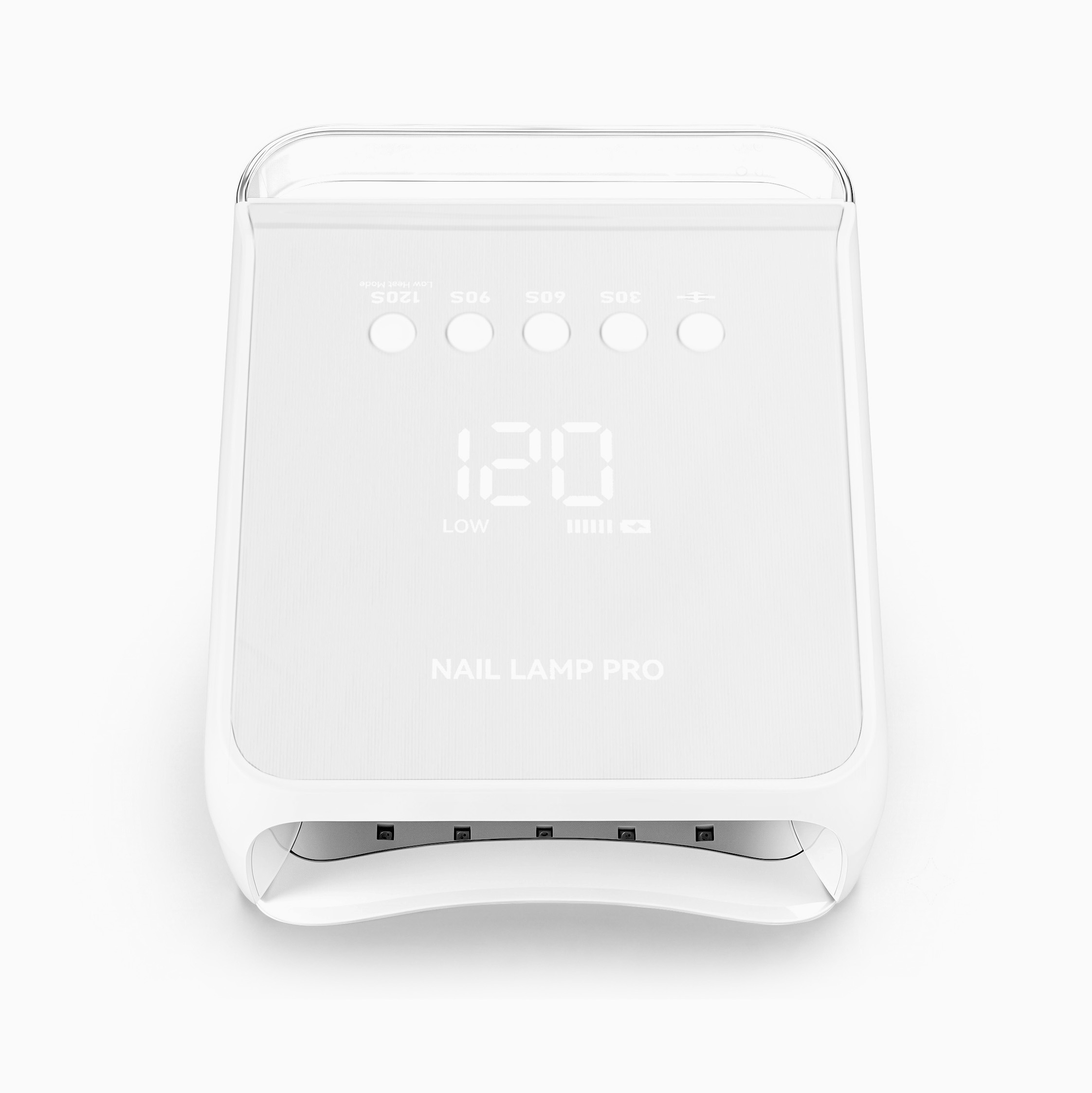
For a multi-station rollout, document which lamps are assigned to which stations and how charged units rotate. A short log of shift start, charge state and any service interruption will reveal whether the existing charging window is sufficient. It also helps distinguish an occasional scheduling issue from a recurring mismatch between battery runtime and daily demand.
Check the Charger, Connector, and Use While Charging
Before ordering, match the supplied charger to the exact lamp version and destination market. Confirm input voltage and frequency, adapter output, connector type, included plug, cable length and any replacement-adapter reference. A familiar-looking connector is not enough to confirm electrical compatibility. Keep the charger model and its ratings on the product specification sheet so that replenishment orders use the correct item.
Ask directly whether the lamp is approved for operation while connected to its charger. If the answer is yes, request the manual or written specification for the supported mode and any operating conditions. If the answer is no or unclear, plan service around charging time and keep a separate powered unit available where continuity matters. Do not assume that rechargeable automatically means pass-through operation.
Private-label orders should also specify plug options, adapter labeling and the accessories included in each package. Elesecret's OEM/ODM service information is a relevant place to discuss configuration requirements before approving samples, especially when the same lamp will be supplied to more than one market.
Compare Battery Care, Replacement, and After-Sales Terms
Ask how the battery should be charged and stored during regular use, seasonal closures and longer periods without operation. Request the manufacturer's written guidance for charging frequency, storage conditions and any care steps that apply to the exact model. Avoid applying generic battery advice to a product when its battery chemistry and operating instructions have not been confirmed.
For commercial purchasing, clarify whether the battery can be replaced, whether replacement packs are available, and which service channel handles battery or charger faults. Ask what the warranty covers, how long the coverage lasts, and whether battery capacity or normal wear is treated separately. The model page's one-year warranty statement is not, by itself, a complete description of battery coverage or replacement terms.
Total ownership cost includes the lamp, chargers, spare units, replacement batteries if applicable, and any service interruption while a device is unavailable. Compare these against the outlet access and cable management needed for plug-in stations. Use the expected service pattern and written after-sales terms to assess the options; avoid treating a listed warranty period or runtime as a guarantee of operating cost.
Validate Runtime with a Consistent Sample Test
Before approving a bulk order, test each candidate under the same conditions and record the result. Use the same model configuration, charger, operating mode and exposure settings. Bring each battery to the supplier's recommended full-charge state, then follow a representative service schedule rather than running isolated cycles that do not resemble salon work.
- Log the starting point. Record model and serial or batch reference, charge state, charging time, timer setting and the time testing begins.
- Recreate the shift. Run the same sequence of lamp operations and pauses for every sample; note total active lamp time and elapsed shift time separately.
- Record interruptions. Note low-battery indicators, output interruptions, recharge breaks and whether the unit resumes normal operation after charging.
- Check the power setup. Confirm the charger and plug match the approved configuration, and test use while charging only when the supplier has confirmed it is supported.
- Repeat and compare. Repeat the schedule across samples and compare the results with the supplier's stated runtime and charging figures before final approval.
Include the number of lamps, work pattern, destination market, charger requirements and test record when requesting a quotation. For model selection or a sample plan, share those details through the Elesecret Contact page. A clear operating brief makes it easier to discuss whether a cordless, plug-in or mixed station plan fits the way your team delivers services.