
How Many Watts Should a Nail Lamp Be
Tutorial
No single wattage works for every gel system. For distributors, private-label product managers, and salon buyers, the best starting point is the specific gel product and its curing instructions. A wattage figure can help you identify a model in a catalogue, but it cannot replace checking those requirements against a specific lamp configuration.
Record the gel brand and product line, then note any lamp type, wavelength, curing time, or application conditions stated by the gel maker. Ask the lamp supplier to identify the exact model and supporting specifications that correspond to those instructions. The official Elesecret Nail Lamp range can help build a shortlist, while the gel maker’s directions define what each candidate needs to support.
A fixed watt target can hide differences in reported figures, the lamp’s light distribution, and test conditions behind a performance claim. Therefore, base purchasing decisions on comparable evidence for the intended gel products, not on choosing the largest number in a supplier table. For broader technical context, see our overview of LED lamp systems for nail professionals.
Separate Electrical Input Power from Light Output
The unit W identifies power, but a product listing needs to say what that power figure represents. Electrical input describes power supplied to the device. An optical measurement describes emitted light under a stated measurement setup. Irradiance, when reported, expresses light power over an area and is commonly shown in mW/cm². These figures describe different quantities, so don't read a watt label as an irradiance value or a curing result.
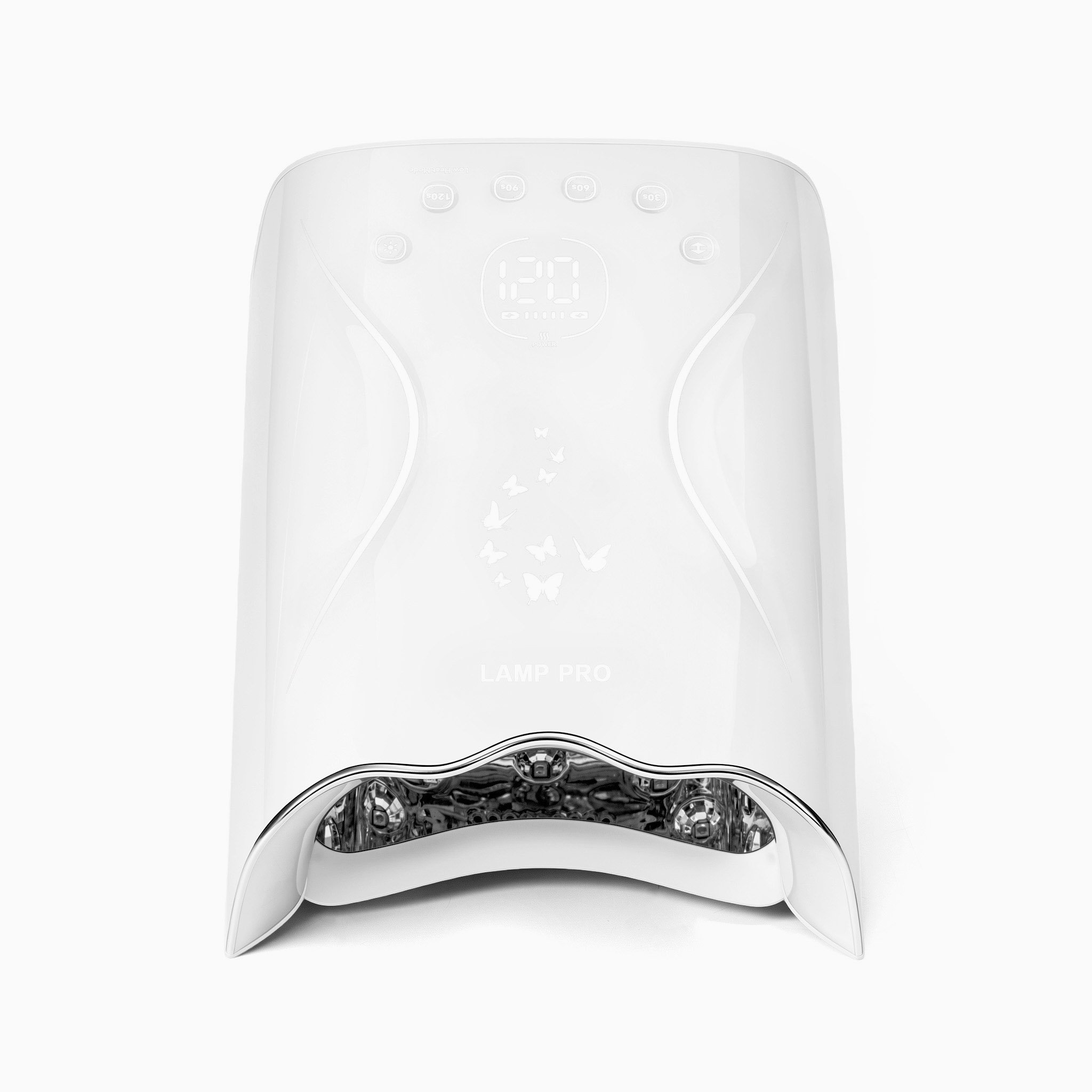
Elesecret’s product pages list the ES-606 at 115W and the ES-E607 at 96W. Those are model-level wattage labels as published on the respective pages. To compare them for a purchase, ask the supplier for each rating's definition and any optical readings, including units, distance, and measurement positions. The two page values alone do not establish which model will cure a particular gel faster.
Factor In Light Distribution, Position, Time, and Gel Formula
Measure at the Nail Plane
If a supplier provides irradiance data, ask where the meter was placed and how far it was from the light source. A reading at one point does not describe the full working area, so request the locations used for the reading, including central and side positions relevant to the thumb and fingers. Record whether the lamp was tested with the same base, power supply, and operating mode as the quoted configuration.
Position and exposure time also belong in the test record. Note how the hand or test surface was placed, which timer or operating mode was selected, and whether the measurement was taken at the surface where the gel is applied. Without those details, two numerical readings may represent different setups and are difficult to compare.
Validate with the Exact Gel Product
For a sample evaluation, use the exact gel product and follow the gel maker’s application and curing directions. Keep the lamp model, product, application steps, selected time, and position consistent across candidate samples. Record the procedure and the result for review with the gel supplier; do not generalize a test on one formulation to every product in a brand’s range.
Once the gel supplier has clarified the required lamp category, the UV/LED lamp listings provide a place to identify model-specific candidates for the next round of specification checks.
Compare Specifications with Units and Test Conditions
When several quotations arrive, keep each value beside the conditions that make it meaningful. A line reading only 115W is incomplete for comparison. Use a consistent worksheet so that suppliers identify the model, define the wattage figure, and attach any measurement or curing result to a repeatable setup.
|
Specification |
Unit |
Keep with the value |
|
Wattage rating |
W |
Exact model/configuration and the supplier’s definition of the rating. |
|
Electrical input |
V, Hz |
Rated supply, adapter or power configuration used for the stated value. |
|
Irradiance, if provided |
mW/cm² |
Meter or method, measurement distance, and mapped positions. |
|
Wavelength |
nm |
Model-specific values, attached to the exact product version. |
|
Curing or timer setting |
s |
Selected mode and the gel maker’s procedure used in the test. |
|
Gel validation |
Product and method |
Gel name/code, application steps, lamp position, and reported assessment. |
For an apples-to-apples review, keep the same fields across every quotation and mark missing information as “not provided” until the supplier responds. If a project involves a customized or private-label model, include the rating definition and test-data requirements in the OEM/ODM project discussion before the sample is approved.
How to Review High-Wattage and Faster-Curing Claims
Turn the Claim into a Testable Statement
Ask what “high wattage” is being compared with, and what “faster curing” means for the product being quoted. A useful supplier response identifies the exact lamp model, the comparison model or baseline, the gel product tested, its application, the selected curing cycle, and the measurement or assessment method. Request the test record or report that supports the statement, including the positions and operating conditions used.
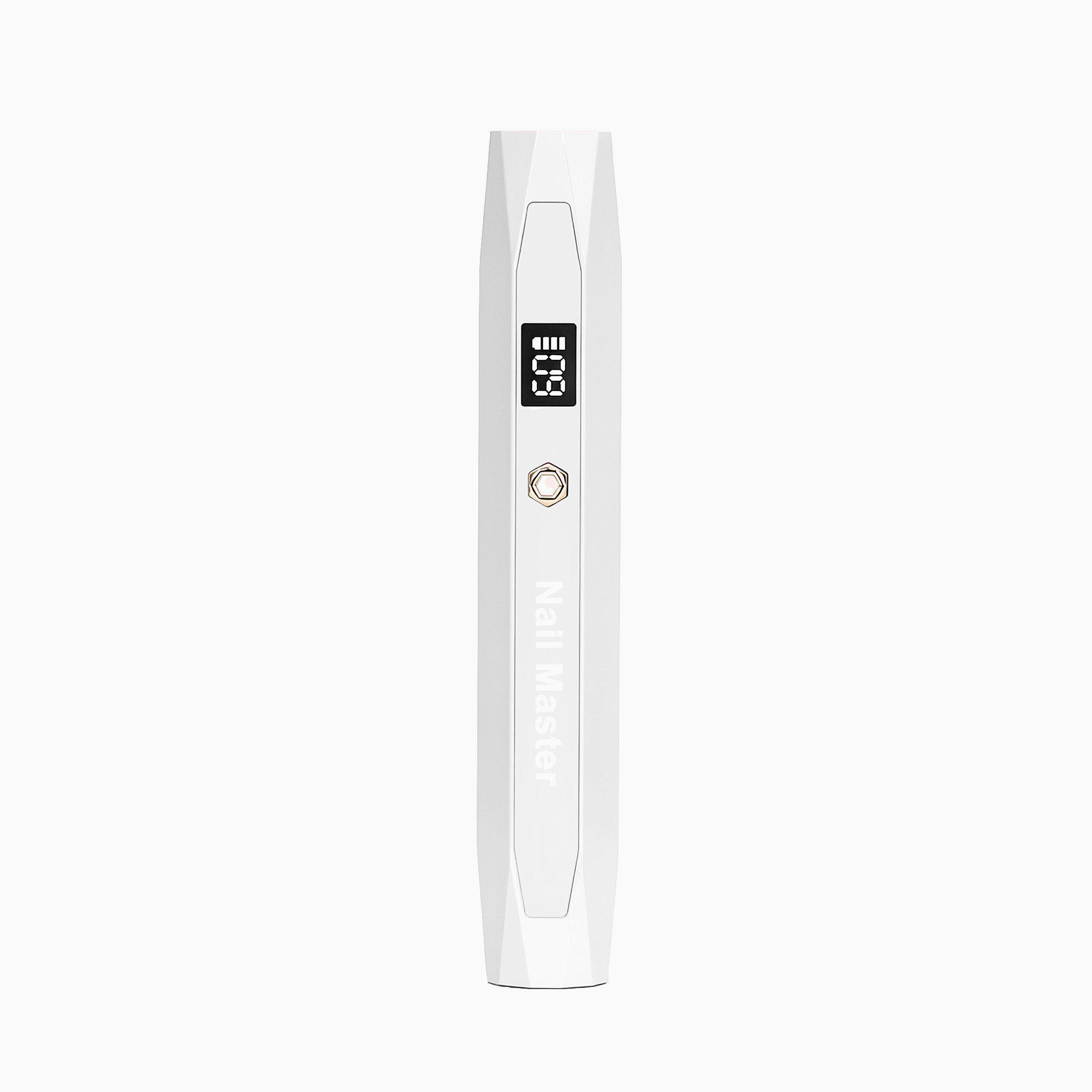
Keep comparisons within a similar product role. The ES-603 product identifies it as a 3W Flash Cure Nail Lamp. That model-level label is not a wattage benchmark for a full-hand lamp. A claim should be assessed against products and procedures intended for the same task, with test conditions stated clearly.
Verify Supplier Specifications and Test Samples
Before approving a quotation, ask the supplier to provide a model-specific specification sheet and answer the following points in writing:
- Model and rating. Exact model/variant, included configuration, and what the wattage value represents.
- Measurement data. Any irradiance or wavelength values, with units, method, distance, and measurement positions.
- Test basis. Exact gel product, application procedure, lamp mode, exposure time, and assessment method behind each claim.
- Compatibility guidance. Written guidance tied to the gel products and model under consideration, alongside the gel maker’s instructions.
- Sample match. Confirmation that the sample configuration matches the quoted model and the proposed production specification.
- Test record. A shared record of settings, product, position, and observations for each candidate sample.
Conclusion
Wattage can help identify a nail lamp, but it does not, by itself, show how the lamp performs with a specific gel. A sound comparison connects the exact model with the gel maker’s instructions, clearly defined specifications, and comparable test conditions. Sample testing then helps confirm whether the selected configuration fits the intended use.
For a model review or quotation, share the target gel products, candidate lamp models, destination market, and any required measurements or test records through Elesecret’s Contact. This keeps the discussion focused on evidence for the models and gel systems under consideration.