Flash Cure vs Full Cure Nail Lamps: Roles in a Professional Gel System
Tutorial
Professional gel services may use brief, targeted light exposure to hold a soft-gel tip or nail-art element in place, then follow with a separate curing cycle. These stages serve different purposes, and the exact process depends on the gel maker’s instructions for the product and lamp. A clear distinction helps nail professionals, educators, and purchasing teams choose equipment and keep service guidance consistent.
A flash cure is a brief, targeted exposure that can help hold a soft-gel tip in alignment or keep a decorative element in position while the service continues. It supports placement within the application sequence. A full cure is the cycle specified by the gel maker for the exact product and lamp, including the stated application and exposure conditions. When a gel system uses both steps, flash cure stabilizes placement and full cure completes the specified process.
Where Flash Cure Fits in Soft-Gel Tip and Nail-Art Workflows
For soft-gel tips, a flash cure can hold the tip in place after alignment, giving the technician time to check placement and continue application. In nail art, targeted exposure can keep a small decorative element in place while the surrounding steps continue. In both cases, the flash-cure lamp supports precise, localized work within the service sequence.
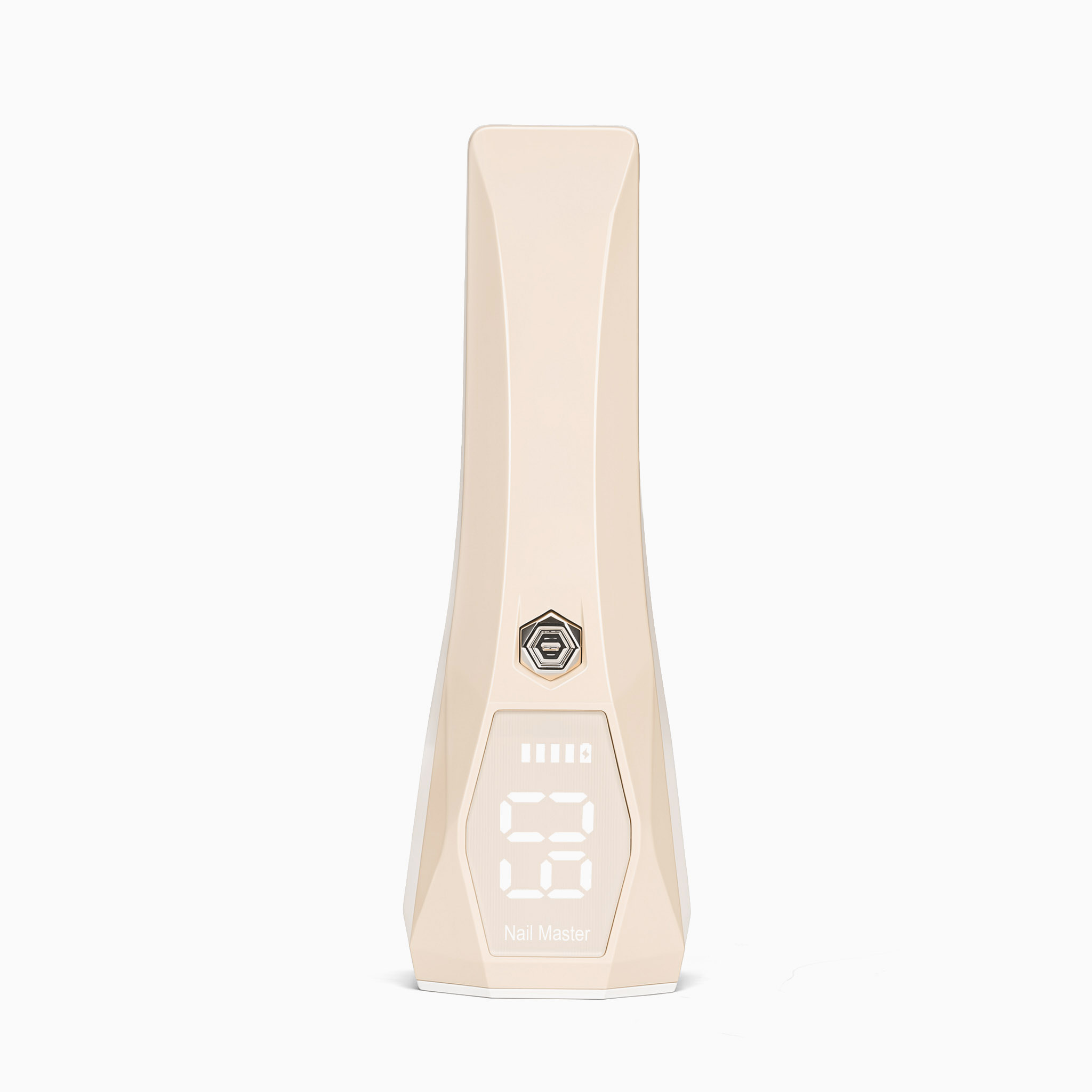
Elesecret’s ES-602 portable flash-curing lamp is one example of this category of tools. Its product listing specifies three LEDs, 30- and 60-second timer settings, sensor control, and vibration feedback.
When the Gel System Calls for a Full Cure
After you align and flash-cure a soft-gel tip, follow the tip system’s instructions for the next curing step. Where the gel maker specifies a separate full-cure cycle, that step is part of completing the service. The same applies to decorative elements: the gel used to attach them, any surrounding layers, and the finish coat follow the curing directions for their own products.
The required lamp and exposure cycle can vary by gel and application stage. Flash-cure timer settings relate to the targeted exposure, while the gel maker’s instructions define the complete curing process for each product.
Compare Light Position, Support and Two-Handed Work
Flash curing focuses light on a specific placement area, so the technician needs a clear view of the tip or decorative element and room to keep it steady. During this step, one hand may hold the tip in position while the other aims or operates the lamp. A stable support or an adjustable lamp head can make that positioning easier when the equipment is designed for it.
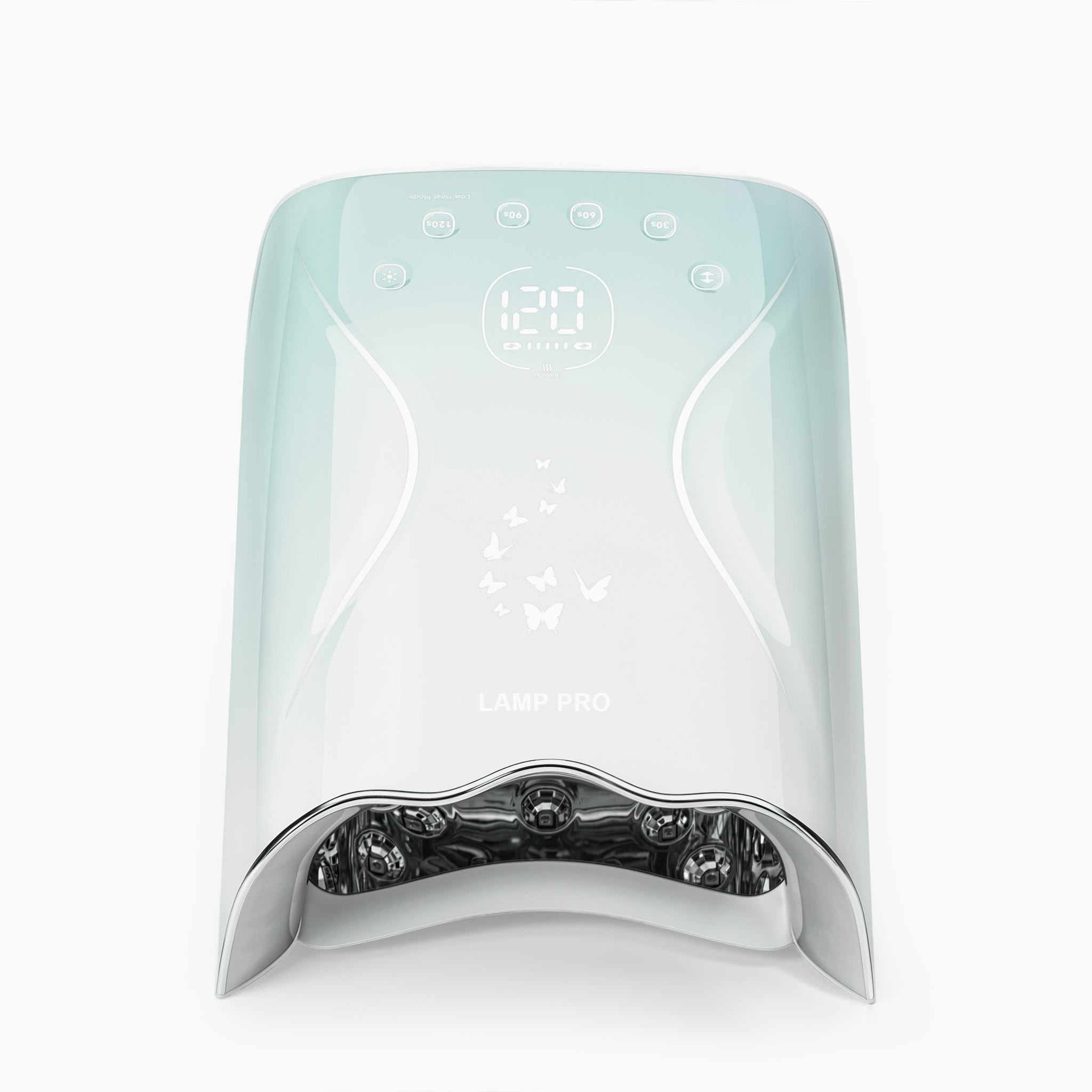
Full curing uses a different hand position: the client places the hand inside the lamp’s intended work area, with fingers and thumb positioned according to the lamp and gel-system instructions. The ES-606 Nail Lamp shows an example of a full-hand lamp format.
Keep the Lamp, Gel Instructions and Training Aligned
A reliable setup pairs the instructions for the exact gel product with the lamp model's specifications. A useful reference records the gel name or product code, its stated lamp requirements, the full-cure cycle, and any flash-cure step included in the procedure. This keeps the workflow tied to the actual gel system rather than a general UV/LED label.
These details also help when a procedure moves from a product team to a salon, training school, or distributor. A concise handoff can identify the gel, lamp model, step sequence, and timer setting, while distinguishing placement exposure from the product’s specified full-cure cycle. When either set of instructions leaves compatibility unclear, written confirmation for the exact gel and lamp helps resolve the gap.
Nail Lamp Procurement and Product-Label Checklist
Before a channel order moves forward, the quoted model, product label, and supporting documents need to describe the same configuration. A focused checklist helps buyers compare samples and quotations:
- Model identity: Model number and version match across the lamp, packaging, manual, and quotation.
- Intended use: Product descriptions distinguish a targeted flash-cure tool from a full-hand lamp.
- Technical details: Listed wavelength, timer options, power supply, and charger information match the model documents.
- Gel-system guidance: Any compatibility statement identifies the gel product and the applicable curing procedure.
- Market labeling: We check language, electrical information, warnings, and required compliance marks against the destination market.
- Order terms: Record the sample configuration, included accessories, warranty, minimum order quantity, and lead time.
These details give distributors and product teams a consistent basis for reviewing samples and confirming order specifications.
Conclusion
Flash cure and full cure serve different roles in a professional gel system. Targeted exposure can hold a soft-gel tip or decorative element in place, while the gel maker’s instructions define the complete curing process for that product and lamp. Clear lamp positioning and consistent handoff between product guidance and salon practice help keep those steps aligned.
For model information or a sample discussion, share the target market, intended application, gel systems, and planned order quantity through Elesecret’s Contact. These details help the team respond with relevant model information or sample options.