
How to Choose a Nail Lamp for Professional Use
Tutorial
UV, LED and UV/LED: What Each Label Tells You
The labels describe different things. UV refers to the type of light used for curing, while LED identifies the light-source technology. A lamp marked UV/LED combines the two: it uses LED light sources that emit UV wavelengths. For professional buyers, these labels are a starting point. The model’s wavelength information and the gel manufacturer’s lamp guidance help determine whether a specific combination is suitable.
|
Label |
What it tells you |
What to check before choosing |
|
UV |
The lamp is described by its ultraviolet curing light. |
Check the model’s wavelength specifications and whether the gel manufacturer identifies it as suitable for the gel being used. |
|
LED |
The lamp uses LED light sources. The label alone does not specify the wavelengths emitted. |
Check the model’s wavelength data and the gel manufacturer’s recommended lamp requirements. |
|
UV/LED |
The lamp uses LED sources that emit UV wavelengths for curing. |
Confirm the exact model’s wavelength specifications and gel-system guidance. The label alone does not establish compatibility with every gel. |
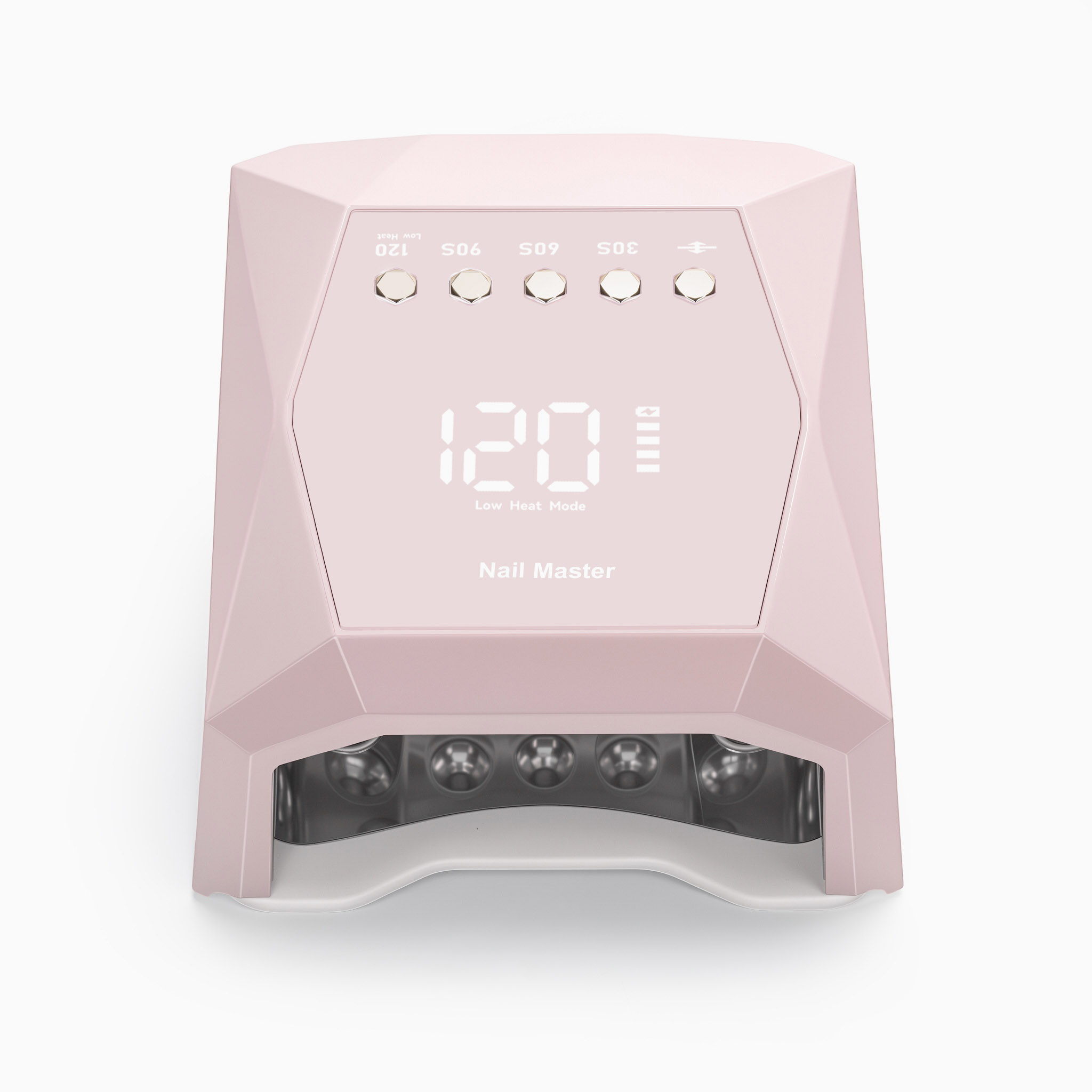
For example, the ES-601 nail lamp's specifications list 48 LEDs with dual wavelengths of 365 nm and 395 nm. Checking the model-level specifications gives buyers more useful information than the category label alone.
Read the Light Source, Wavelength, and Product Name Separately
These terms describe different parts of a nail lamp. Keeping them separate helps buyers read specifications accurately and compare models without relying on a category name alone.
Light Source
LED describes the light source. The LED count tells buyers how many LEDs a model lists, but it does not specify the wavelengths they emit.
Emission Wavelengths
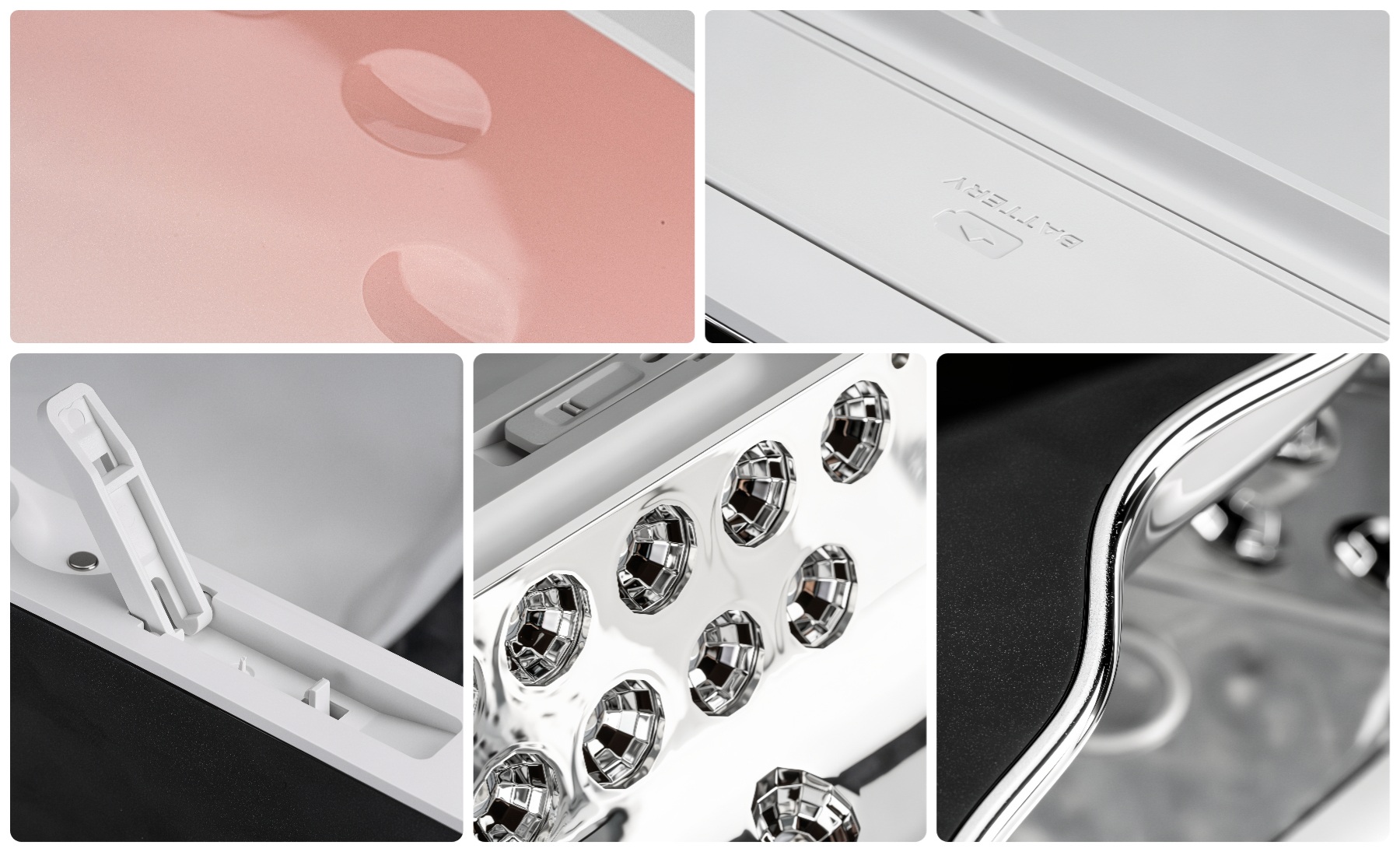
Wavelength values describe the light output. For example, the ES-606 specifications list 45 dual-wave LEDs at 365 nm and 395 nm. The LED count and wavelength figures describe different aspects of the lamp, so both are useful when comparing models.
Product and Marketing Names
Labels such as UV/LED, professional or low heat describe how a product is named or presented. Buyers can use them to identify a product category or stated feature, then check the model’s specifications and the gel manufacturer’s lamp guidance before making a compatibility decision.
Check Gel-System Compatibility Before Choosing a Lamp
A lamp’s label alone cannot confirm that it suits a particular gel system. Before selecting a lamp for salon use, check the gel brand’s curing instructions for the lamp type or wavelength range it specifies, along with the recommended curing time and application conditions. Then compare those requirements with the lamp’s official specifications. If the gel brand does not provide clear compatibility information, request written guidance before treating the combination as suitable.
For a new gel-and-lamp combination, test it using the gel brand’s stated application and curing procedure. Keep the gel product, layer application, lamp settings and curing time consistent with those instructions, and ask the gel supplier how to assess the result. This gives salons and equipment buyers a more reliable basis for choosing than relying on terms such as UV, LED or UV/LED alone.
Compare Maintenance, Timer Controls, Workstation Setup and Running Costs
A practical comparison starts with how the lamp will be used throughout the day. For routine maintenance, check the cleaning instructions and ask about service support and replacement parts for the exact model. These details affect how easily a salon can keep equipment ready for use; a published wattage or LED count does not indicate the lamp’s maintenance requirements.
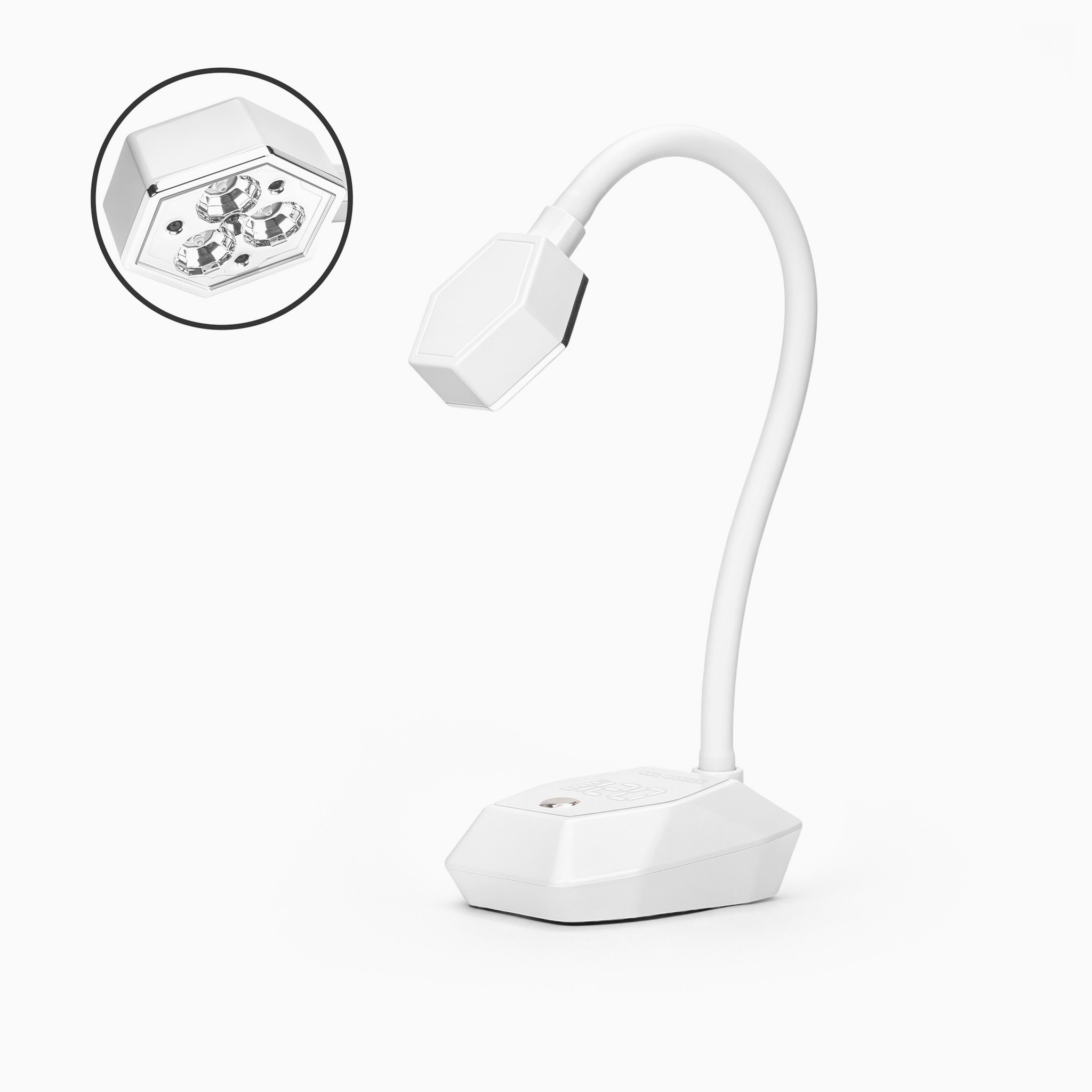
Timer controls can help standardize a salon’s workflow when they match the gel brand’s curing instructions. Elesecret’s ES-610 Nail Lamps offers 30- and 60-second settings, a sensor switch, and a gooseneck design for positioning the light. The ES-602 is a portable flash-cure model with 30- and 60-second settings and vibration feedback when changing modes. These are compact options for targeted curing tasks; when comparing equipment for a full workstation, consider the lamp’s footprint, positioning, and how it fits the salon’s service sequence.
For operating cost, compare the quoted purchase price alongside power requirements, battery and charging arrangements, warranty coverage, service options and the cost of any replacement parts. The ES-610 and ES-602 pages list battery life and charging time, which can help buyers assess cordless use in their own workflow. Actual running and ownership costs depend on usage and service terms, so compare quotations for the specific model and configuration rather than inferring cost from wattage alone.
Choose by Service Setting: Salon Chains, Training or Mobile Work
Chain salons
Start with consistency across locations. Select a lamp configuration that works with the gel systems used by the group, then check that the timer options and setup suit the service routine at each branch. Before standardizing on a model, compare its power or charging requirements, warranty and service arrangements, and the availability of replacement parts. This gives purchasing and maintenance teams a repeatable specification to use across sites.
Training organizations
Prioritize a setup that lets instructors demonstrate the curing procedure clearly, and students repeat it at each station. Timer controls can support a consistent training routine when they align with the gel brand’s instructions. Check the number of lamps needed for simultaneous practice, how they will be positioned at student workstations, and whether the selected gel-and-lamp combination has been confirmed by the gel brand.
Mobile services
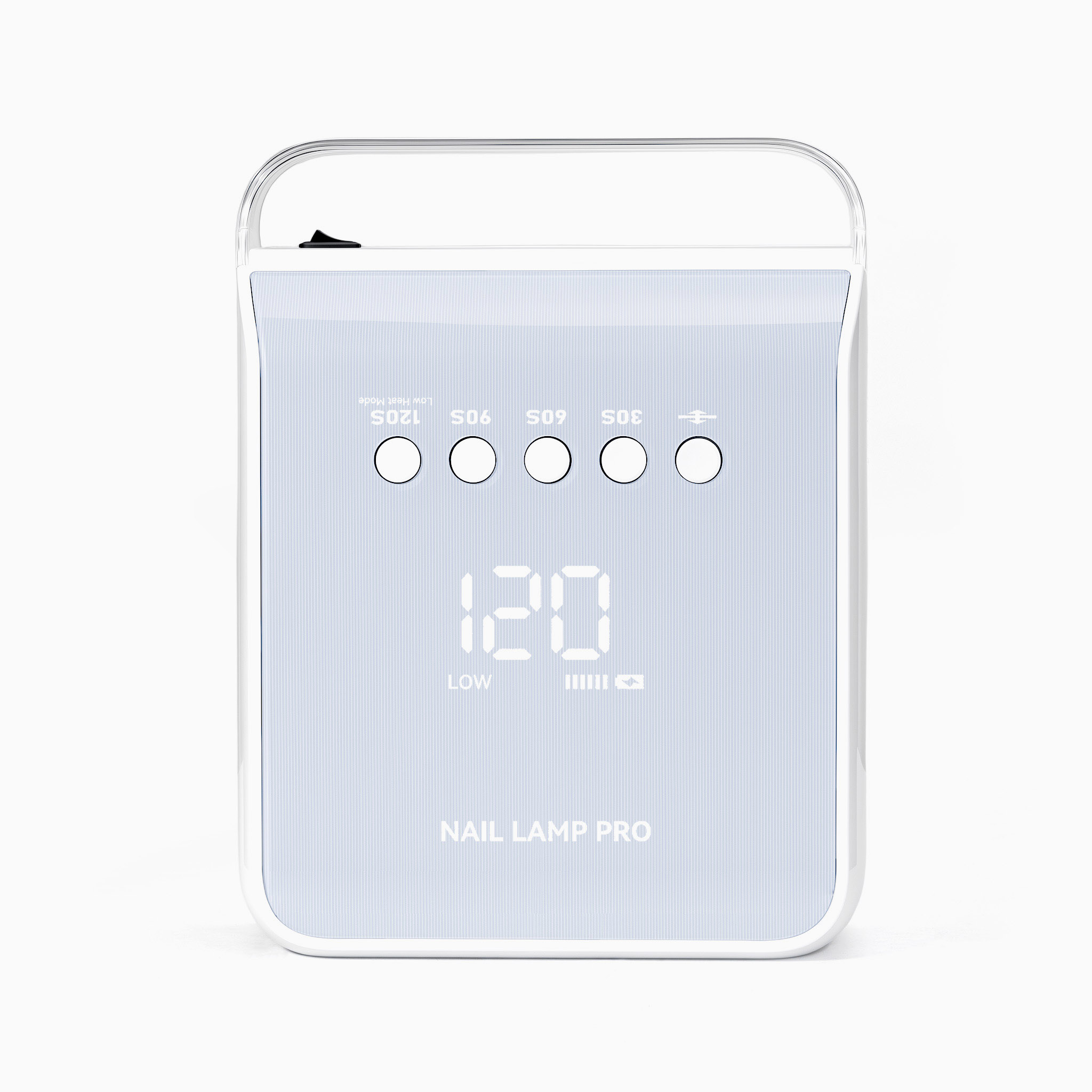
Portability and charging plans take priority when equipment travels between appointments. Compare the lamp’s listed battery life and charging time with the expected work schedule, and plan how it will be recharged between service days. For example, Elesecret lists the ES-E607 nail lamps with a 5200mAh rechargeable battery, four hours of battery life, and a two-hour charging time. Treat those figures as model specifications, then assess whether they fit your own appointment pattern and the gel brand’s curing instructions.
Documents to Request Before Placing an Order
Before approving a nail lamp for a salon group, training program, or mobile service, request documents tied to the exact model and configuration being quoted. A practical checklist includes:
- Technical specification sheet: Model number, light source and stated wavelength range, LED count, rated power, timer settings, and power supply details. If irradiance or curing test results are provided, ask for the measurement method and test conditions.
- Operating and maintenance instructions: Setup, cleaning, charging, storage and recommended care, plus guidance on serviceable or replaceable parts.
- Gel-compatibility information: Written guidance that names the specific gel products and lamp model. Confirm curing instructions with the gel brand as well, since a general UV/LED label does not establish compatibility with every gel system.
- Compliance and quality documents: Applicable certificates and test reports for the quoted model and intended market.
- Warranty and supply terms: Warranty coverage, spare-parts availability, sample arrangements, MOQ, and quoted lead time.
Before placing a bulk order, test the selected lamp with the intended gel system and confirm the specifications and order terms in writing.
Conclusion
Choosing a professional nail lamp starts with the gel brand’s curing instructions, then comes down to how the lamp fits the salon’s workflow, workstation setup, and maintenance plan. UV, LED, and UV/LED labels are useful starting points, but the exact model specifications and gel compatibility should guide the final decision. Elesecret can help you review lamp options for your products and service setup. Contact us with the gel systems, work environment, and lamp requirements you need to support.