
How to Choose a UV/LED Lamp for Polygel Nails
Tutorial
Choosing a UV lamp for polygel nails starts with the gel system you need to support. For small distributors and online sellers, a useful recommendation is to connect a specific gel, a documented lamp and a procedure customers can follow. Start with those requirements, then compare equipment and workflow before writing the product listing.
Start with the Exact Polygel Product and Its Curing Instructions
Start with the product your customers actually use. Record its brand, product line and shade, together with the application method and the base and top coats used in that service. A request for a lamp that works with “polygel” is too broad to turn directly into a model recommendation.
The application guide for the exact gel system should identify the lamp and exposure required for each layer. The base, enhancement and top coat can have different curing instructions.
Ask for the named lamp or approved lamp requirements, the cure mode and duration for each layer, and any directions that depend on the application method. If the instructions only say “UV/LED lamp,” ask the gel manufacturer what equipment that statement covers before promising a substitute. These requirements become the comparison sheet for your lamp shortlist.
Build a Lamp Shortlist Against Those Requirements
Compare candidate lamps with the requirements you have collected. Identify the exact model and version, available modes, operating instructions and any written evidence covering the intended gel system. Keep a separate space for unanswered questions so an attractive product specification does not silently become a compatibility claim.
Elesecret UV LED Lamps for Gel Manicure Services
Elesecret lists the following rechargeable UV/LED lamps for nail curing. For a gel manicure station, these are the main models to compare against the gel system requirements established above. The distinctions below describe published product features, not proof of compatibility with every gel or Polygel formulation.
- ES-601P: A rechargeable UV/LED lamp with a hidden IMD display. Include it when comparing a cordless workstation setup and the visibility of controls during service.
- ES-606: A rechargeable UV/LED lamp whose product description specifies a hidden display and touch controls. Compare how easily technicians select and check the required operating mode.
- E607: Listed as E607 in the catalogue and ES-E607 in the product description, this rechargeable UV/LED model has an IMD hidden display. Confirm the model designation on the quotation and sample so that the operating documents refer to the same product.
- ES-601: A rechargeable UV/LED model with an IMD hidden display and ABS housing. Include it alongside the other models when assessing workstation layout, handling and staff operation.
For all four, request the current model-specific instructions and confirmation for the intended gel. General gel-curing use does not establish suitability for a named Polygel product or authorise a universal curing time.
Flash Cure Lamps for Supporting Steps
Elesecret separately lists ES-610, ES-602 and ES-603 as flash cure lamps. Consider this group for an initial positioning or setting step only when that step is part of the gel manufacturer's procedure. Do not present a flash cure lamp as a substitute for the prescribed final curing equipment and cycle.
Do not rank candidates by advertised wattage alone. If the shortlist still depends on that number, use our nail lamp wattage guide to separate power rating from curing performance. For broader equipment criteria, consult our professional nail lamp selection guide. Here, the decision is narrower: which exact lamp has a documented basis for the polygel service you intend to support?
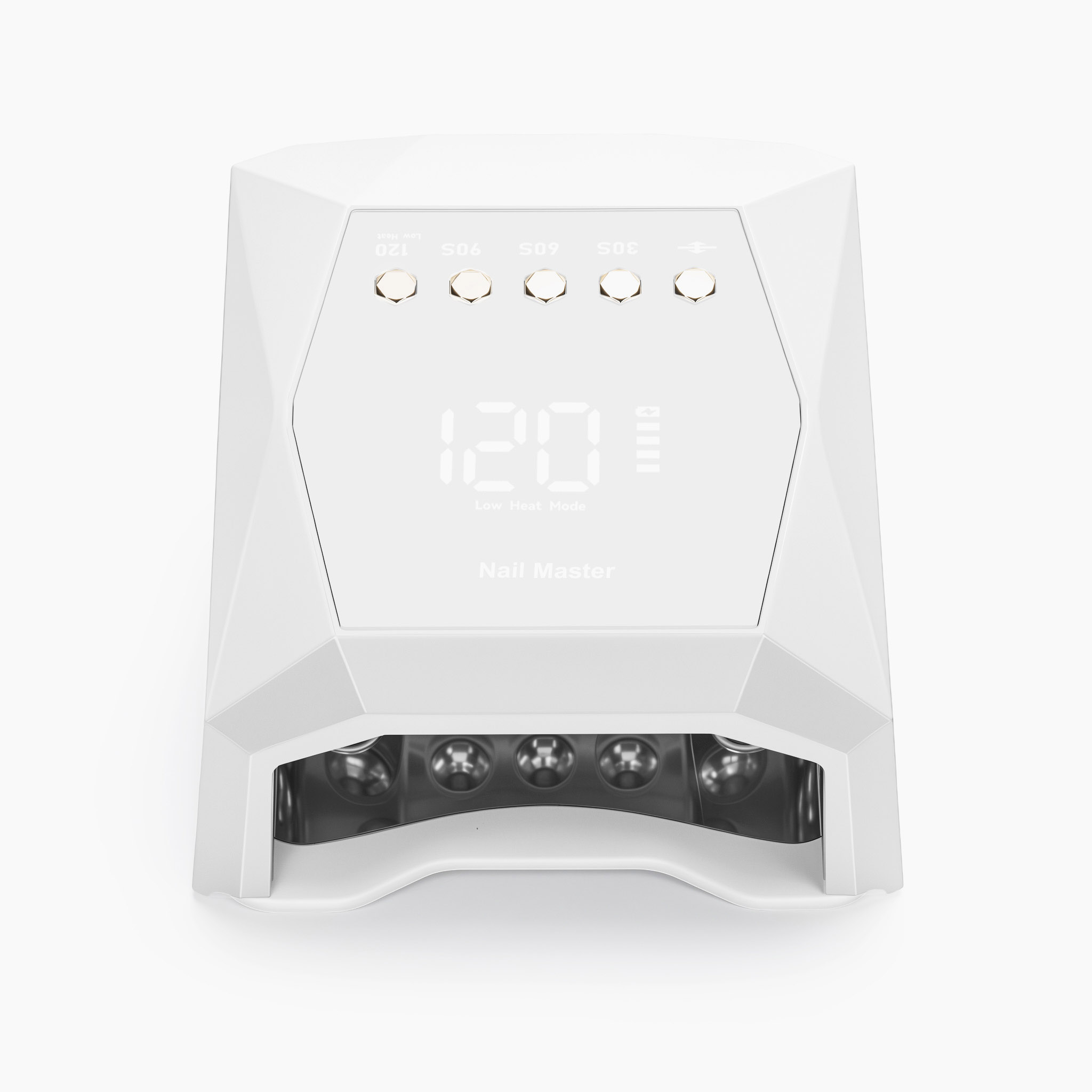
Elesecret ES-601P nail lamp with top controls and front hand opening
Check How the Lamp Fits the Prescribed Application Procedure
With the documented candidates identified, evaluate how reliably a technician can follow the required procedure. Check that the timer and mode are easy to select, the display can be read from the working position, and the lamp accommodates the hand position described in the instructions. Include longer enhancements or separate thumb positioning only where the intended service requires them.
Assess workload through the complete service rather than a headline cure time. Record where staff must change settings, reposition a hand or supervise a step. Those actions affect training and station use even when two lamps appear to offer similar timer options. A simpler control sequence can be a useful selection criterion, but it does not justify shortening the gel manufacturer's procedure.
Use sample sessions to record handling and workflow observations. A neat-looking result is not sufficient evidence to declare a new gel-and-lamp combination fully cured. Keep those observations separate from compatibility evidence so the next decision is based on what the sample evaluation actually establishes.
Resolve Missing Compatibility Evidence Before Recommending a Model
Review the gaps left by the comparison and sample work. Send the gel manufacturer the exact lamp model and available technical documents, and ask whether that combination is supported for the named product and procedure. Ask the lamp supplier for evidence identifying the gel formulation, lamp version, mode and application conditions behind any compatibility statement.
A statement such as “works with polygel” leaves too much unspecified. If the response does not cover your intended product or application, keep the recommendation pending. Do not extend curing time by guesswork and use the resulting appearance as the basis for a sales claim. Where the gel maker specifies a particular lamp without supporting an alternative, keep that specified equipment in the service recommendation.
For an ES-601P enquiry, attach the same gel requirements used to build the shortlist. Request clarification of any conflicting specifications before evaluating the model against them. This creates a useful decision record: the combination you can recommend, the procedure supporting it, and the questions that remain unresolved.
Turn the Confirmed Combination into a Clear Product Listing
Once the evidence supports a recommendation, translate it into language customers can use. Name the lamp model and the exact gel products covered, link the relevant instructions, and describe the required mode and procedure within that documented scope. Keep the same information in the listing, quick-start material and sales replies.
Avoid expanding a supported combination into “cures all polygel” or “works with every brand.” Where compatibility is still unconfirmed, describe the lamp's verified features without presenting it as a validated solution for that gel. This gives customers a clear answer and gives your team a consistent basis for follow-up questions.
Ready to shortlist a UV lamp for polygel nails? Explore the Elesecret nail lamp range, then send your target gel instructions and preferred lamp model through the product enquiry form. Include your expected order quantity and the customer workflow you need to support. Elesecret's starting MOQ is 100 units; confirm the model and configuration terms when requesting a quotation. Ask for the current datasheet, operating instructions and any available matching evidence before finalizing the selection.