
Carbide vs Ceramic vs Diamond Nail Drill Bits
Tutorial
Carbide, ceramic, and diamond nail drill bits are often discussed as if one material is always better than the others. In professional nail work, the more useful question is how each material behaves during a specific task. Cutting action, surface contact, heat, control, durability, and cleaning requirements all influence the right choice.
This guide compares the three materials by working behavior and application. It is designed to support technicians, salon managers, distributors, and buyers building a professional assortment. For compatible equipment, review the Elesecret Nail Drill range and related Supporting Tools before selecting a complete system.
Quick Comparison
The table below gives a practical first comparison. It does not replace the bit manufacturer's application guidance because shape, grit, coating, and construction can change how the same material performs.
|
Material |
Typical working behavior |
Common strengths |
Selection caution |
|
Carbide |
Fluted cutting action for efficient product removal |
Bulk reduction, shaping, acrylic and enhancement work |
The wrong grit or pressure can remove material too aggressively. |
|
Ceramic |
Lightweight cutting surface with a smooth working feel |
Product reduction, refinement, and applications where control matters |
Performance depends on construction, grit, and correct speed. |
|
Diamond |
Abrasive surface suited to controlled detail and refinement |
Sidewalls, small areas, finishing, and precision work |
Usually not the first choice for fast bulk removal. |
The most suitable choice is therefore task-dependent. A salon that performs removal, shaping, cuticle-area refinement, and finishing may need more than one material rather than trying to use one universal bit.
Material and Cutting Behavior
Carbide bits
Carbide bits use flutes or cutting edges to remove product. This makes them useful when a technician needs to reduce thickness or shape an enhancement efficiently. A broad carbide barrel can cover a larger surface, while a tapered carbide profile can provide access to narrower areas.
Carbide is often selected for acrylic and enhancement removal, but the material alone does not determine how aggressive the bit will be. Shape, flute design, grit, speed, and pressure all affect the result.
Ceramic bits
Ceramic bits are commonly chosen for a smooth cutting feel and controlled product refinement. Their use may be suitable when the technician wants to reduce or refine product while paying close attention to heat and surface control.
Ceramic bits should still be treated as working tools rather than automatically cooler or safer alternatives. The correct operating method depends on the bit design and the material being removed. Keep the bit moving and follow the supplier's instructions.
Diamond bits
Diamond bits use an abrasive surface rather than the fluted cutting action associated with many carbide bits. They are useful for precision work, small transitions, sidewalls, and finishing. Different shapes and grit levels produce different results, so a fine diamond bit should not be treated as equivalent to a coarse diamond bit.
Heat and Control Considerations
Heat is influenced by several variables: the bit material, grit, shape, rotation speed, contact pressure, product thickness, and how long the bit remains in one area. It is not accurate to judge heat performance from material name alone.
- Use the bit intended for the amount of product being removed.
- Keep the bit moving instead of holding it in one spot.
- Use light, controlled pressure and let the working surface do the cutting.
- Reduce contact time when refining a thin layer or working near the natural nail.
- Stop and inspect the surface if heat, vibration, or resistance changes unexpectedly.
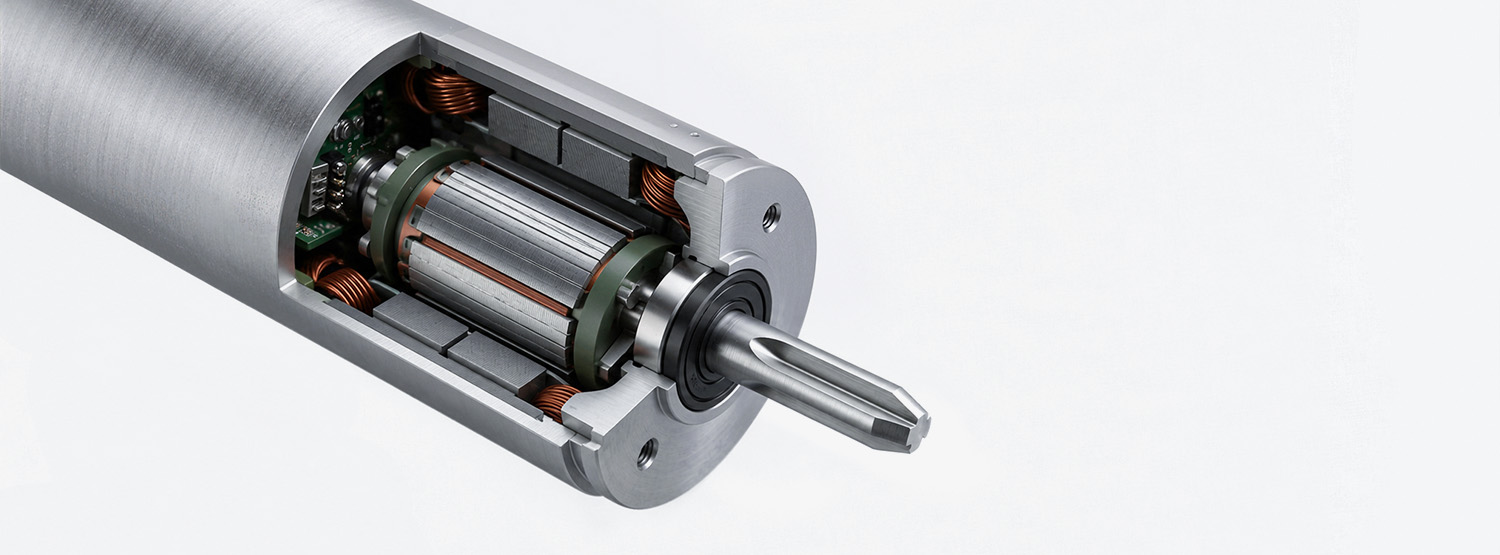
Control is also linked to the handpiece. A stable handpiece and correctly fitted bit help the technician maintain a predictable path. Elesecret's website presents nail drill systems with different power, speed, torque, motor, battery, and handpiece-weight configurations, so buyers should compare the complete system rather than evaluating a bit in isolation.
For equipment buyers, the Nail Equipment Catalog can be used as the starting point for comparing nail drill categories and available models. Exact bit compatibility should be confirmed for the selected handpiece before purchase.
Gel Acrylic and Detail Work
Material selection should follow the service. Gel and acrylic removal generally require efficient product reduction, while detail and cuticle-area work require a narrower contact area and more precise control. The following matrix separates common use cases without treating any material as universally suitable.
|
Application |
Carbide |
Ceramic |
Diamond |
|
Gel removal |
Useful for efficient reduction when shape and grit are appropriate. |
Can support controlled reduction and refinement. |
Better suited to detail or finishing than heavy removal. |
|
Acrylic reduction |
Often selected for bulk removal and shaping. |
Suitable for controlled reduction depending on construction. |
Useful for refining transitions and smaller areas. |
|
Cuticle-area transition |
Use a suitable safety or narrow profile with careful pressure. |
Can support surface refinement when the bit is designed for it. |
Often useful for precision work around contours and transitions. |
|
Sidewalls and detail |
Select a narrow shape and maintain stable control. |
May be used for refinement where a smooth working feel is preferred. |
Commonly considered for narrow, controlled detail work. |
|
Final finishing |
Use a fine construction intended for finishing. |
Use a fine construction intended for finishing. |
Often suitable for fine surface and detail refinement. |
The matrix is a selection aid, not a substitute for training or product instructions. The same material can behave differently in a barrel, flame, tapered, needle, or round shape. For shape-specific guidance, keep the material comparison separate from the Nail Drill Bits Guide and use the shape and grit information for the selected service.
Durability and Cleaning Limits
Durability depends on the bit material, construction, coating, grit, workload, cleaning process, and storage conditions. A bit used on hard product with excessive pressure may wear faster than one used with the correct technique. A worn bit can also encourage the technician to press harder, reducing control and increasing heat.
- Inspect cutting edges, abrasive surfaces, flutes, and shanks after processing.
- Remove visible product before applying the salon's approved disinfection or sterilization process.
- Keep processed and used bits separate.
- Do not assume that every material or coating tolerates the same heat, chemical, or mechanical process.
- Replace bits that are damaged, corroded, visibly worn, or no longer cut smoothly.
Diamond surfaces, carbide flutes, and ceramic constructions may have different cleaning limits. The correct process should come from the supplier's instructions and the salon's hygiene requirements. A general claim that one material is always easier to sterilize would be too broad without product-specific documentation.
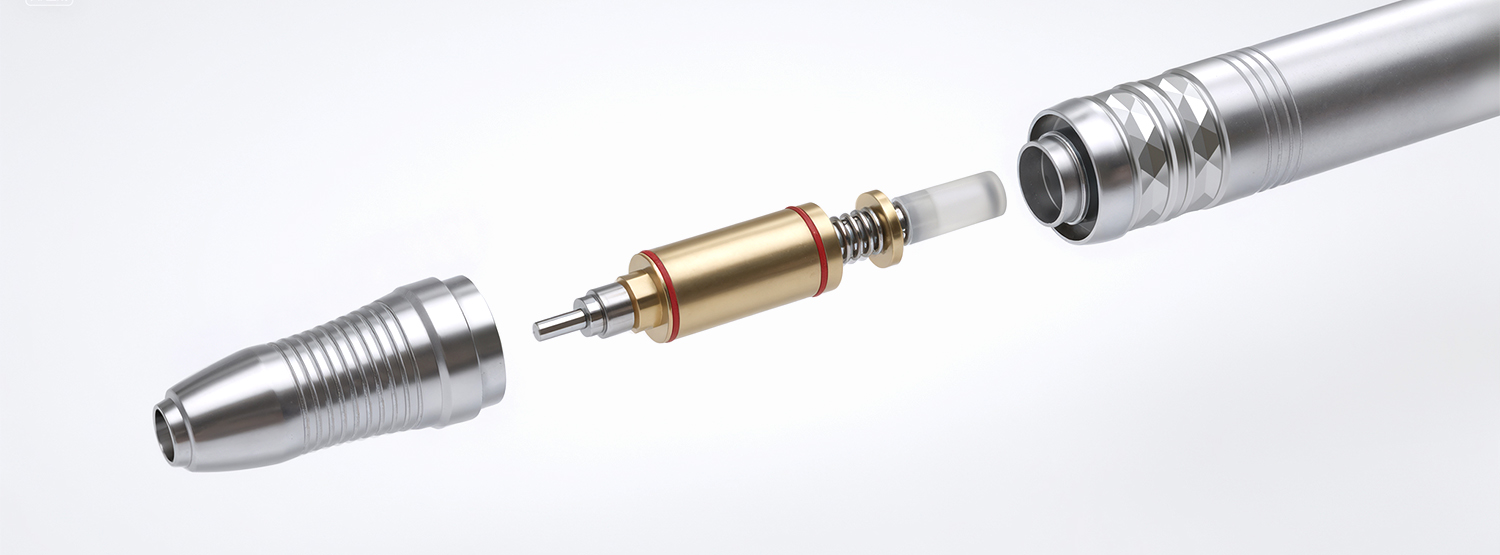
The condition of the handpiece also affects bit performance. Elesecret describes a detachable bearing structure intended to support internal maintenance on certain equipment. Buyers should confirm the applicable model and service procedure before treating that feature as a universal specification.
Buyer Matrix
A buyer selecting bits for a salon, distributor, or private-label product line should compare the material against the actual service mix. The matrix below can be used during sampling and supplier discussions.
|
Buyer need |
Priority question |
Likely material direction |
Evidence to request |
|
High-volume acrylic services |
How quickly can bulk product be reduced with stable control? |
Start with suitable carbide options, then compare ceramic alternatives. |
Sample test, intended grit, speed guidance, and service-life notes. |
|
Mixed gel and enhancement services |
Which material gives the required balance of removal and refinement? |
Compare carbide and ceramic by actual service stage. |
Application guidance for gel and enhancement products. |
|
Detailed cuticle and sidewall work |
Which bit provides access without excessive contact? |
Consider suitable diamond or narrow ceramic/carbide profiles. |
Shape-specific instructions and control recommendations. |
|
Private-label assortment |
Can the supplier provide a consistent set across tasks and markets? |
Use a multi-material set based on the planned service range. |
Compatibility, packaging, labeling, batch consistency, and samples. |
For a branded equipment line, the final specification should include the drill, handpiece, bit assortment, packaging, and supporting accessories. Elesecret's OEM/ODM describes a process covering product design, 2D and 3D development, prototypes, sample confirmation, trial production, and bulk production. Ask the supplier to confirm which steps and customization options apply to your project.
Conclusion
Carbide, ceramic, and diamond nail drill bits serve different working needs. Carbide is commonly considered for efficient product removal and shaping, ceramic can support controlled reduction and refinement, and diamond is often useful for detail and finishing work. None of these materials should be selected without considering shape, grit, speed, pressure, handpiece fit, cleaning limits, and the service being performed.
If you are selecting a professional nail drill and bit assortment, review Elesecret's Nail Drill products and Supporting Tools together. For a private-label or OEM equipment program, contact the OEM/ODM team with your target applications, preferred materials, handpiece requirements, and sampling plan.